
Can AI make my video for me?
Short version: I’m a big fan of AI and use it every day, but no, it can’t make the kind of video we make. The tools that put a synthetic presenter or a memorised script in front of you fall down on the thing that actually matters, which is a real person meaning what they say. Where AI genuinely earns its place is behind the scenes, helping prepare and shape a real interview, not standing in for the human doing the talking.
On this page
I love AI
I’m a big advocate for AI, and I use it all the time. It plans a meal around whatever’s left in the fridge, tells me what to read next, and helps me word the odd tricky email that needs a delicate touch. So this isn’t a precious videographer having a grumble about new technology. I’ve genuinely embraced it.
People do ask whether it worries me, though, and the honest answer is no. Not because I’ve got my head in the sand, but because I’ve spent a fair bit of time seeing what it can and can’t do. It turns out the things it can’t do are exactly the things we get paid for.
What I use it for
Quite a lot, and I use it happily. It’s quick, it never gets tired, it doesn’t have an ego, and I don’t have to include it on a coffee run. It’s very handy for the groundwork: taking a long, waffly brief and pulling out what actually matters, helping structure a story, or getting through the admin that used to swallow an afternoon. As a tool in the right hands, it makes good work quicker and leaves me more time for the part that counts, which is the people.
There are also loads of tools now built specifically to make video, and being a bit of a geek about this sort of thing, I keep a regular eye on what they can do. Some are genuinely clever. But I keep coming back to the same thing: they tend to handle the easy part and leave the hard part well alone.
Where it falls short
I’m not just talking about the virtual presenters and the slightly creepy uncanny-valley actors, though those are the obvious ones. Don’t get me wrong, we’ve looked hard at some of the latest and greatest AI ideas and genuinely wanted them to work. Sadly they nearly always fall short in the same place: the nuance. So much of what makes someone believable on camera is in the small stuff, a slight pause, a change in the voice, the flicker when they say something they really mean. AI can get close to the words. It still can’t do what sits underneath them, and people can feel the difference even if they couldn’t tell you why.
For a customer story, that’s the whole point. The reason a testimonial works is that a real customer is putting their name to it. The moment it feels manufactured, you’ve lost the trust, and you’re left with something that does you more harm than having no video at all.
Where AI actually helps me: a real example
A little while ago a client turned up with a huge script they were planning to learn off by heart and deliver to camera. Scripts are a huge no-no! For one, memorising all that under lights with a lens on you is near enough impossible for most people. For another, the second anyone recites a script it goes wooden, and you lose the very thing you came for.
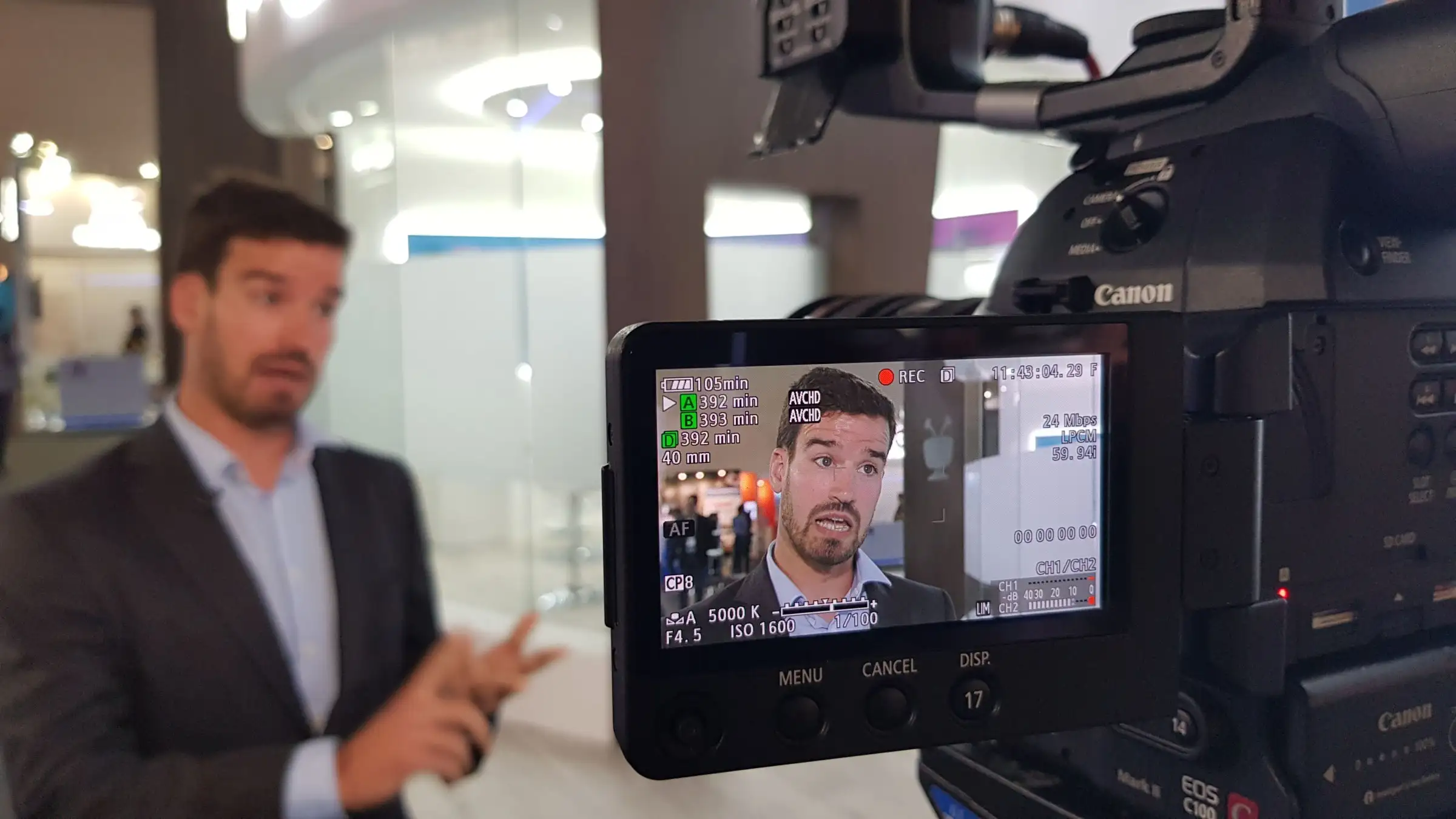
So I fed the script into AI and asked it to boil each section right down. Not sentences, not lines to read out, just a word or two per point, which helped form the questions I asked. From there it was a normal, relaxed conversation. We covered everything they’d wanted to say, in their own words rather than the script’s, and by the end they could see for themselves that nothing had been missed. AI did the tidying up. The person did the talking, which is the right way round.
The part I am not worried about
Everything we do comes back to people, and that’s the part I’m honestly not worried about. Getting a real story out of someone isn’t a technical job you can automate. It takes sitting with a person, being genuinely interested in them, and being curious about what they do and why it matters to them. It takes a bit of sensitivity, reading how they’re feeling, knowing when to gently push and when to leave a silence alone. That understanding is where the story actually lives, and drawing it out is about as human a skill as there is. After all these years, I’m quite relaxed about a machine having a go at that.
If you want the practical version of how we do it, have a read of how to get a great customer story on camera, or the honest take on doing it yourself versus bringing someone in.
Most of this is easier with someone who does it every week.
Let’s talk